NOBEYSTON Windshield Chip Repair Kit – Upgrade Glass Crack & Chip Repair Liquid (K/TUU1)
“This link will take you to Amazon.”
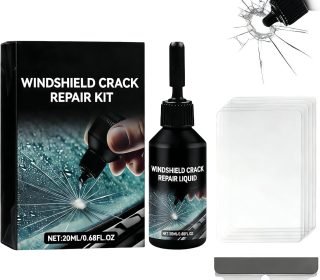
The NOBEYSTON Windshield Chip Repair Kit is a compact DIY glass‑repair system that uses a UV‑curing resin to fill small cracks, chips, and rock strikes in car windshields and other glass surfaces. It’s positioned as an upgrade‑style repair kit that lets you patch damage quickly at home, helping to slow crack spread, improve visibility, and potentially delay or avoid full windshield replacement.
What It Does
This kit mainly:
Fills small chips and short cracks in auto glass with a clear, liquid‑resin adhesive,
Hardens in about 5 minutes under UV light, creating a transparent, bonded repair that resists temperature changes, pressure, and normal driving stress.
By stabilizing the damaged area, it can reduce the risk of further cracking caused by bumps, weather, or thermal stress.
It is not a full‑glass replacement; it works best for minor impacts and cracks under a few inches, and effectiveness depends on chip size, depth, and location (for example, cracks near the edge or in the driver’s line of sight may still need professional attention).
Key Features
1. Glass Repair Liquid & UV‑Curing Resin
The core of the kit is a specialized glass‑repair liquid (resin) designed to fill voids in chips and cracks.
After applying the resin over the damaged area, it is cured under UV light, which hardens the liquid into a durable, transparent bond in about 5 minutes.
Similar repair‑kit resins used by DIYers and small‑jobbers typically reduce light‑scatter and dullness in chips, making them less obvious and improving clarity compared with an untreated spot.
2. Quick, On‑The‑Go Windshield Repairs
The manufacturer says you can repair small fragments and cracks in a few minutes per chip, including prep, resin application, and UV‑curing.
Many comparable windshield‑repair kits are praised for being fast and easy for non‑mechanics, especially on small rock chips on the front windshield or side windows.
3. Multi‑Layer Curing & Durability
The product describes “multi‑layer curing technology” and high‑quality imported resin materials, implying a more advanced formulation than basic one‑step repair liquids.
The cured resin is intended to withstand weather, temperature swings, and vibration, helping to prevent secondary cracking around the treated area.
4. Portable, Compact Design
The kit is designed to be small and easy to store, so you can keep it in the car for emergencies or bring it along on trips.
This makes it useful if you get a minor rock chip on the highway and want to stabilize it immediately instead of waiting for a shop appointment.
5. Universal Glass‑Surface Use
The listing says it works on:
Car windshields,
other car windows,
mirrors,
phone screens,
general glass surfaces.
For phone‑screen or mirror repairs, the same basic principle applies: clear resin fills micro‑cracks and chips, then UV‑cures to a smooth, clear patch.
Pros and Cons
Pros
✅ Affordable DIY way to repair small chips and cracks before they worsen
✅ Quick UV‑cure (about 5 minutes) for fast, on‑the‑spot repairs
✅ Helps stabilize the damaged area, reducing risk of spreading cracks
✅ Compact, portable kit for storage in the car or at home
✅ Versatile for windshields, windows, mirrors, phone screens, and other glass
Cons
❌ Only suitable for minor damage; larger, deep, or edge‑located cracks often still require professional repair or replacement
❌ Repairs may not fully disappear visually under certain lighting (some faint lines or cloudiness can remain)
❌ User‑dependent results: careful cleaning, proper resin filling, and UV‑lighting technique significantly affect the final look and strength
❌ In very cold, greasy, or dirty conditions, adhesive may bond less effectively, reducing effectiveness
When It Works Best
This kit is most effective for:
New, small rock chips or short, star‑pattern chips on the front windshield or side glass,
Cracks away from the driver’s primary line of sight, where cosmetic imperfections are less critical,
Situations where you want to buy time between driving and getting a professional repair or replacement.
If you’re unsure, most expert guides note that DIY kits are generally safe and useful for chips smaller than a quarter / about 2.5–3 cm, located in the center or side of the glass. If the crack is long, deep, near the edge, or in the driver’s direct view, a pro should evaluate it.
How It Works in Practice
A typical repair with a similar kit goes like this:
Clean the area around the chip with alcohol or glass cleaner and a microfiber cloth.
Center the patch or applicator over the chip, following the kit’s instructions (some kits use a small patch with a pedestal, others use a small syringe‑style injector).
Inject the resin into the chip, using vacuum or suction to help pull the liquid into the crack, then remove excess carefully.
Apply UV light (often included or substituted with sunlight) to cure the resin in about 5 minutes.
Peel off the patch and polish the area lightly if needed, leaving a clear, stabilized patch.
Reviewers of similar kits often say the process is straightforward for beginners, and the result is visually acceptable and structurally helpful, though not always perfectly invisible.
Final Verdict
The NOBEYSTON Windshield Chip Repair Kit (K/TUU1) is a budget‑friendly, portable solution for fixing small rock chips and short cracks in car windshields and other glass surfaces. Its UV‑curing resin, quick‑drying formula, and multi‑surface compatibility make it a handy emergency tool for drivers who want to stabilize minor glass damage and avoid higher repair or replacement costs.
If you have fresh, small glass chips or hairline cracks and prefer a do‑it‑yourself fix before scheduling a professional service, this kit is a practical, low‑complexity option—but for larger, structural, or vision‑impacting damage, professional inspection is still recommended.