Conponous Sciatica Girdle – Honest Review for Men and Women
“This link will take you to Amazon.”
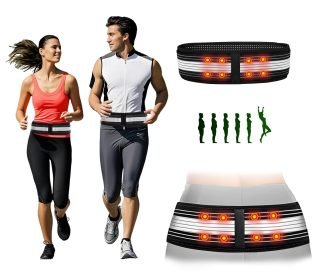
If you deal with sciatica, lower‑back pain, or pelvic discomfort, a supportive sciatica girdle can be a game‑changer for daily comfort. The Conponous Sciatica Girdle is a simple, fabric‑style support belt designed for both men and women. Priced around €20.99 in a standard size (like Large, Blue), it’s an affordable option if you want extra stability and gentle compression around your hips and lower back.
Below is a clear, practical review that explains what this belt does, who it helps, and how to use it safely.
What This Sciatica Girdle Does
The Conponous sciatica girdle wraps around the hips and lower back to provide stabilizing compression. It’s typically made from a stretchy, breathable fabric with a hook‑and‑loop closure (Velcro) so you can adjust the tightness.
The main goals are:
Support the pelvic area and lower spine to reduce pressure on the sciatic nerve.
Limit excess movement in the sacroiliac (SI) joints and hips that can worsen pain.
Take some strain off muscles and ligaments when walking, standing, or lifting light things.
It’s positioned somewhere between a full lumbar brace and a simple hip belt, so it’s milder than a rigid back brace but still gives noticeable support.
Key Features
Although the product page is short, similar sciatica/Pelvic‑SI belts show these typical features:
Unisex design: Works for both men and women, thanks to an adjustable, wrap‑around fit.
Comfortable, breathable fabric: Soft, stretchy material that won’t feel too bulky under clothes, even for long‑term wear.
Adjustable tension: Two straps with Velcro closures let you tighten or loosen the girdle based on your comfort and pain level.
Easy to put on and remove: You simply wrap it around the hips, align it with the lower back, and fasten the straps.
Hand‑washable: Many similar belts are hand‑washed, which helps preserve the elasticity and fabric.
Color and size options (like Blue – Large) are designed to fit adult hips comfortably, often up to roughly 40–44 inches or more, depending on the sizing chart.
Pros and Cons
Pros
Affordable pain‑relief option: At around €20, it’s much cheaper than many rigid braces or medical‑grade supports, so it’s easy to try without a big investment.
Portable and lightweight: You can wear it under clothing while walking, working, or traveling, and it’s not heavy or bulky.
Extra stability: Many users of similar SI or sciatica belts report feeling less “wobbly” in the hips and lower back, especially with long walks or standing.
Adjustable fit: The Velcro straps let you fine‑tune compression so it’s snug but not uncomfortable.
Can be worn day or night: If needed, you can wear it to bed (lightly tightened) for extra support during sleep, though most experts recommend only short‑term night use.
Cons
Not a cure: It helps manage symptoms but does not fix disc issues, sciatica itself, or serious spine problems.
Limited rigidity: Unlike a hard lumbar brace, it mainly offers soft compression and gentle stabilization; it’s not ideal for heavy lifting or serious injuries.
May feel too tight or loose: If worn too tight, it can restrict breathing or blood flow; if too loose, it won’t give enough support. Proper positioning and tension matter.
Detailed Review: How It Works in Real Life
Putting it on and positioning
For SI‑joint or sciatica‑style belts, the placement is critical. You usually:
Place the girdle around the lower hips, just above the pelvis and under the ribcage.
Align the center with your spine so it’s not higher up on the waist or too low on the thighs.
Fasten the straps evenly and add a bit of tension so the belt feels snug but not painful.
If done correctly, many people feel almost immediate stabilization and reduced sharp sciatica‑type pain when standing or walking.
Comfort and daily use
On a daily basis, this type of girdle is comfortable enough for:
Light walking
Short periods of standing or light housework
Recovery days after an activity that aggravated your back
The fabric is usually soft and breathable, so it doesn’t cause much skin irritation, but if you have sensitive skin, it’s a good idea to wear it over a thin layer of clothing.
Help with sciatica and back pain
Sciatica belts and SI belts don’t “heal” the nerve, but they:
Reduce excess motion in the pelvis and lower spine, which can ease irritation of the sciatic nerve.
Encourage better posture by reminding you to keep your pelvis level and not slouch.
Take some load off muscles that tighten up when you’re in pain, which can help you move more easily.
If you’ve ever felt your pain ease when you wrap a towel around your hips, this belt is like a more structured, reusable version of that concept.
Who Should Buy This Sciatica Girdle
This Conponous girdle is best for:
Men and women with mild to moderate sciatica or SI‑joint pain who want extra support during daily activities.
People with lower‑back or pelvic discomfort related to:
Light sciatica flare‑ups
Sedentary lifestyles and long sitting
Light physical activity or walking
Those who want a soft, breathable belt instead of a stiff brace.
Budget‑conscious buyers looking for a simple, non‑invasive tool to help manage pain.
It’s less suitable if:
You have severe spine injury, fracture, or very acute sciatica (you should see a doctor or physical therapist first).
You need a rigid back brace for heavy lifting or sports.
You want a medically prescribed orthopedic device rather than a basic support belt.
How It Compares to Similar Sciatica Belts
Here’s a quick comparison with other common sciatica/hip belt types:
| Feature | Conponous Sciatica Girdle (soft SI‑style) | Rigid lumbar back brace | Decompression belt |
|---|---|---|---|
| Support level | Soft, mild compression | Strong, firm support | Variable, often more advanced |
| Comfort for all‑day wear | Good; breathable fabric | Can be bulky/noisy | Depends on model |
| Ease of use | Very easy; Velcro straps | Often more complex | Moderate |
| Typical use cases | Sciatica, pelvic pain, mild back pain | Post‑injury, strict rehab | Targeted traction or disc relief |
| Price range | Low (around €20) | Medium to high | Medium to high |
For most people, a soft belt like this is a good “starter” support before moving to heavier braces—if you try it and feel even a bit better, it’s a sign that extra stabilization helps your body.
Frequently Asked Questions
How tight should the sciatica girdle be?
It should feel snug and supportive, but not so tight that it cuts into your skin, restricts breathing, or gives you numbness. Start lighter, then increase tension gradually.
How long should I wear it each day?
Many experts recommend 2–4 hours at a time during activities that strain your back (like walking or standing), and not wearing it all day or for weeks without breaks. Over‑reliance can weaken muscles.
Can I wear it while sleeping?
Yes, lightly tightened, it can be worn at night if it comforts you, but it’s best used for only short periods and discontinued if you notice swelling, numbness, or breathing issues.
Is it good for pregnancy‑related sciatica?
Many SI‑joint belts are recommended for pregnancy‑related pelvic and sciatica pain, but you should check with your doctor or midwife first, especially if you have any complications.
Can it replace physical therapy or medical treatment?
No. It’s a support tool, not a treatment. Persistent or worsening sciatica should be assessed by a healthcare professional.
How do I clean it?
Most similar belts are hand‑washed in mild soap and water, then air‑dried; this helps keep the fabric and Velcro in good condition.
Final Verdict
The Conponous Sciatica Girdle is a simple, affordable belt that can help stabilize your pelvis and lower back when you have sciatica or mild to moderate sciatica‑related discomfort. At around €20, it’s easy to try if you’re looking for a soft, adjustable support rather than a bulky brace.
For best results:
Position it correctly around the hips and lower back.
Wear it for short periods during activity, not all day.
Combine it with gentle stretches, good posture, and any advice from a doctor or physiotherapist.
If you’re dealing with constant or sharp sciatic pain, this girdle works best as part of a broader plan—not a standalone fix—but it can be a helpful, budget‑friendly piece of that plan.
Affiliate disclaimer: This review contains affiliate links. If you purchase after clicking a link, the site may earn a small commission at no extra cost to you. This helps support honest product reviews and content creation.