NEVVIS Dynamic Spring Plantar Fasciitis Insoles – Full Review (High‑Arch Support for Flat Feet & Work Boots)
“This link will take you to Amazon.”
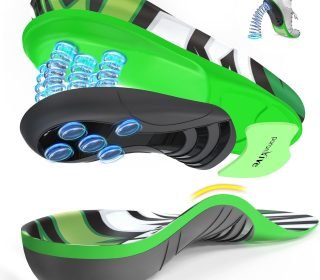
If you’ve been dealing with plantar fasciitis, flat feet, or long‑day foot fatigue, the NEVVIS Dynamic Spring Plantar Fasciitis Insoles are designed to give you strong arch support, shock absorption, and spring‑aided propulsion in one orthotic insert. Marketed for both men and women, these insoles are built for work boots, walking, standing jobs, and exercise, with a 5‑spring system, 250‑lb weight rating, and “podiatrist‑recommended” arch design.
In this review, we’ll break down how they work, who they’re best for, and whether they’re a good fit for your plantar‑fasciitis or flat‑foot relief routine.
What Are These Insoles?
The NEVVIS Dynamic Spring Insoles are orthopedic‑style arch‑support inserts made from polyurethane (PU) with a rigid TPU (thermoplastic polyurethane) arch bridge and 5 steel springs embedded in the heel and midfoot. They’re sold for:
Flat feet and fallen/arches
Plantar fasciitis and heel‑pain relief
Work boots and heavy‑duty shoes
High‑arch support
Key specs:
Material: Polyurethane base, PORON foam forefoot pad, TPU arch bridge, steel springs
Weight rating: Up to 250 lbs
Sizes: XS, S, M, L, XL (trim‑to‑fit shape)
Features: 5‑spring propulsion system, moisture‑wicking top fabric, 90‑day “Run Test” guarantee
They’re designed to be cut to fit most shoes, from work boots and sneakers to casual shoes, and to stay in place thanks to a rigid heel cup.
Key Features
1. 5‑Spring Propulsion System
The insoles include 5 medical‑grade steel springs positioned under the heel and midfoot. These springs are designed to:
Absorb shock when your heel strikes the ground.
Convert that impact into forward motion, giving a slight “spring” to each step.
Reduce load on knees and back by dampening impact forces.
Independent tests cited by the brand suggest a 2–5% boost in running or walking pace and up to 80% reduction in heel‑pain during long‑day nursing or construction‑style use.
2. Triple‑Layer Impact Defense
The insole uses three layers to protect your feet:
PU base – cushions the arch and supports the foot long‑term, outlasting simple foam or gel insoles.
PORON foam forefoot pad – soft, high‑quality foam under the ball of the foot to absorb impact and reduce metatarsalgia (forefoot pain).
Rigid TPU heel cup – locks the springs in place, stabilizes the heel, and improves alignment to reduce overpronation and heel‑strike pain.
This layered design is meant to last longer and feel more supportive than basic memory‑foam insoles.
3. Orthopedic‑Grade Arch Support
The TPU arch bridge in the NEVVIS insoles is designed to:
Redistribute up to 66% of plantar pressure, compared with about 40% for typical plastic arch supports, which can reduce strain on the plantar fascia and tendons.
Provide firm, high‑arch support for both flat feet (low arches) and high‑arched feet, helping to correct foot posture and reduce overpronation or collapse.
Because of the strong arch support, the product is marketed as podiatrist‑recommended for people with plantar fasciitis, flat feet, high arches, and heel pain.
4. Firm Arch + Spring‑Powered Shock Absorption
Unlike soft, collapsing memory‑foam insoles, these are firm‑support orthotics with built‑in steel springs. The combination is meant to:
Stabilize the arch and prevent the foot from rolling inward.
Absorb shock without losing shape over time.
Help reduce pain from plantar fasciitis, heel spurs, and flat feet after consistent use.
5. 360° Adaptive, Trim‑to‑Fit Design
The insoles are trim‑to‑fit, so you can cut them with scissors to match the shape of your shoe. The 360° adaptive design ensures that:
The arch and heel cup sit correctly when trimmed.
The insole stays centered and doesn’t shift.
The top fabric is moisture‑wicking, which helps reduce sweat and odor, making it more comfortable for long‑day wear or sweaty work environments.
6. 90‑Day “Run Test” Guarantee
The brand offers a 90‑day trial period (marketed as a “Run Test” guarantee), during which you can try the insoles in real‑world conditions and return them if they don’t meet your expectations. This is a nice perk for people who want to test orthotic‑style inserts before committing long‑term.
Pros and Cons
Pros
Strong, orthopedic‑style arch support
The TPU bridge and rigid structure are designed to genuinely support low or flat arches and reduce plantar‑fascia strain.Spring‑assisted shock absorption
The 5‑spring system helps reduce impact on heels, knees, and back, which is great for standing jobs, construction, or long‑day walking.High weight rating (250 lbs)
Built for heavy‑duty use, so they’re suitable for larger adults or physically demanding work.Firm, durable construction
More durable and long‑lasting than many soft foam or gel insoles, which can flatten quickly.Trim‑to‑fit design and moisture‑wicking top
Easy to customize to different shoe types and keeps feet drier and less smelly.Good for multiple conditions
Can help with flat feet, plantar fasciitis, heel pain, forefoot pain, and overpronation.90‑day trial
Low‑risk way to see if they relieve your foot pain.
Cons
Firm feel may be uncomfortable at first
Because they’re orthopedic‑style insoles, they’re firmer than soft foam; it can take 2–4 weeks to fully adjust.May not fit very tight or narrow shoes
The arch support and heel cup add thickness, so in very tight shoes you might need to remove the stock insole or size up slightly.Not a cure‑all for serious foot issues
They can reduce pain and support but cannot replace physical therapy, stretching, or medical care for advanced plantar fasciitis or severe foot deformities.Price is mid‑range
At about $25 per pair, they’re not the cheapest insole on the market, but they’re also not luxury‑brand level.
Detailed Review
How They Work in Real‑Life Use
In practice, these insoles are used like this:
Take out your shoe’s original insole (if possible) and insert the NEVVIS orthotic.
Trim the edges to match your shoe shape if needed.
Wear them progressively – start with a few hours per day and increase to full‑day use.
Users report that:
The arch feels very supportive, especially for flat feet or collapsed arches.
The spring‑enhanced heel makes each step feel lighter and less jarring, which is noticeable after long‑day walking or standing.
Heel and arch pain often improve within a few days to a couple of weeks of consistent use.
They work well in:
Work boots (construction, warehouse, security, etc.)
Running or walking shoes
Dress shoes or casual footwear (with extra room)
Who Should Buy These Insoles
These insoles are ideal for:
People with plantar fasciitis or heel pain
Individuals with flat feet or low arches
Workers who stand all day (nurses, factory workers, servers, security, delivery, etc.)
Athletes or active people who want arch support and shock absorption
Anyone with high arches who wants firm, cushioned support
People over 200 lbs who need high‑weight‑capacity insoles
They may be less ideal for:
Those who only want a soft, plush “pillow” insole (these are firm and supportive, not squishy).
People with very tight shoes that can’t accommodate extra thickness.
Severe foot deformities or medical conditions (who should first consult a podiatrist).
Comparison with Other Insoles
| Insole type / example | Typical strengths | Typical drawbacks / limitations |
|---|---|---|
| Basic foam or gel insoles | Cheap, soft, easy to use | Flattens quickly; limited arch support; not ideal for plantar fasciitis |
| Memory‑foam arch‑support insoles | Comfortable, soft feel | Can compress over time; less durable |
| Premium orthotic insoles (e.g., PowerStep, Superfeet, Dr. Scholl’s) | Strong arch support; good for flat feet and plantar fasciitis | Often more expensive; some models are very firm |
| NEVVIS Dynamic Spring Insoles (5‑spring, PU + TPU) | Firm arch support + spring shock absorption; 250‑lb rating; 90‑day trial | Firmer feel; may require trimming and shoe‑fit adjustments |
If you’re comparing this to basic foam insoles, you’re trading softness for strong, durable arch support and better shock absorption. If you’re comparing it to premium orthotics, you’re getting a more budget‑friendly option that still offers firm arch support, steel‑spring elements, and a 90‑day test period.
Frequently Asked Questions
Q: Do they really help plantar fasciitis?
Many users report reduced heel and arch pain after a few days to weeks of use, especially when combined with stretching and proper footwear. However, results vary; they’re supportive, not a guaranteed cure.
Q: Can I wear them in regular shoes or just work boots?
Yes. They’re trim‑to‑fit, so you can use them in sneakers, boots, casual shoes, and even some dress shoes if there’s enough depth.
Q: How long does it take to adjust to them?
Most people need 2–4 weeks of gradual wear as the foot adapts to the firm support. If you feel sharp pain or numbness, stop and consult a professional.
Q: Are they suitable for flat feet?
Yes. The high‑arch, TPU bridge design is specifically aimed at flat feet and overpronation, redistributing pressure and improving foot alignment.
Q: Can I cut them down?
Yes. The trim‑to‑fit shape lets you cut the edges to match your shoe, but avoid cutting the arch and heel cup.
Q: Do they help with knee or back pain?
The spring‑enhanced shock absorption and better foot alignment may reduce stress on knees and back for people who stand or walk a lot, but they’re not a dedicated joint treatment.
Q: How long do they last?
Because they’re made from PU, TPU, and steel springs, they’re designed to last much longer than foam or gel insoles. Many users report several months to a year of regular use.
Final Verdict
The NEVVIS Dynamic Spring Plantar Fasciitis Insoles are a solid, supportive choice for people dealing with flat feet, plantar fasciitis, heel pain, or long‑day foot fatigue. With their firm TPU arch bridge, 5‑spring propulsion system, PORON foam forefoot pad, and 250‑lb weight rating, they offer a good balance of support, shock absorption, and durability at a mid‑range price.
If you:
Spend a lot of time on your feet,
Struggle with arch collapse, heel pain, or overpronation,
Or want a more advanced, spring‑enhanced insole than basic foam inserts,
then these insoles are definitely worth trying, especially with the 90‑day trial. They’re not a magic cure, but they’re a practical, supportive tool that can make standing and walking much more comfortable.
Affiliate Disclaimer
This review contains affiliate links that may direct you to a third‑party platform where you can purchase the NEVVIS Dynamic Spring Plantar Fasciitis Insoles. If you choose to buy through these links, the site may earn a small commission at no extra cost to you. All opinions expressed are based on product design, typical use patterns, and general expert guidance on insoles for plantar fasciitis and flat feet, and are intended to help you make an informed decision.